
Our Research Approach
We are building Hemab to reimagine care for people living with coagulation disorders who experience significant life-long disease burden due to either a lack of available prophylactic therapies or limitations associated with existing treatment approaches. By leveraging our deep understanding of the underlying biology of blood coagulation, we are developing targeted therapies for bleeding and thrombotic disorders like Glanzmann thrombasthenia, Factor VII deficiency, Von Willebrand Disease, heavy menstrual bleeding, and others.


Every Hemab program begins by listening to people who live with their conditions and learning about what they still need.
Lived experiences reveal bleeding patterns, treatment challenges, and daily impacts invisible to conventional research.
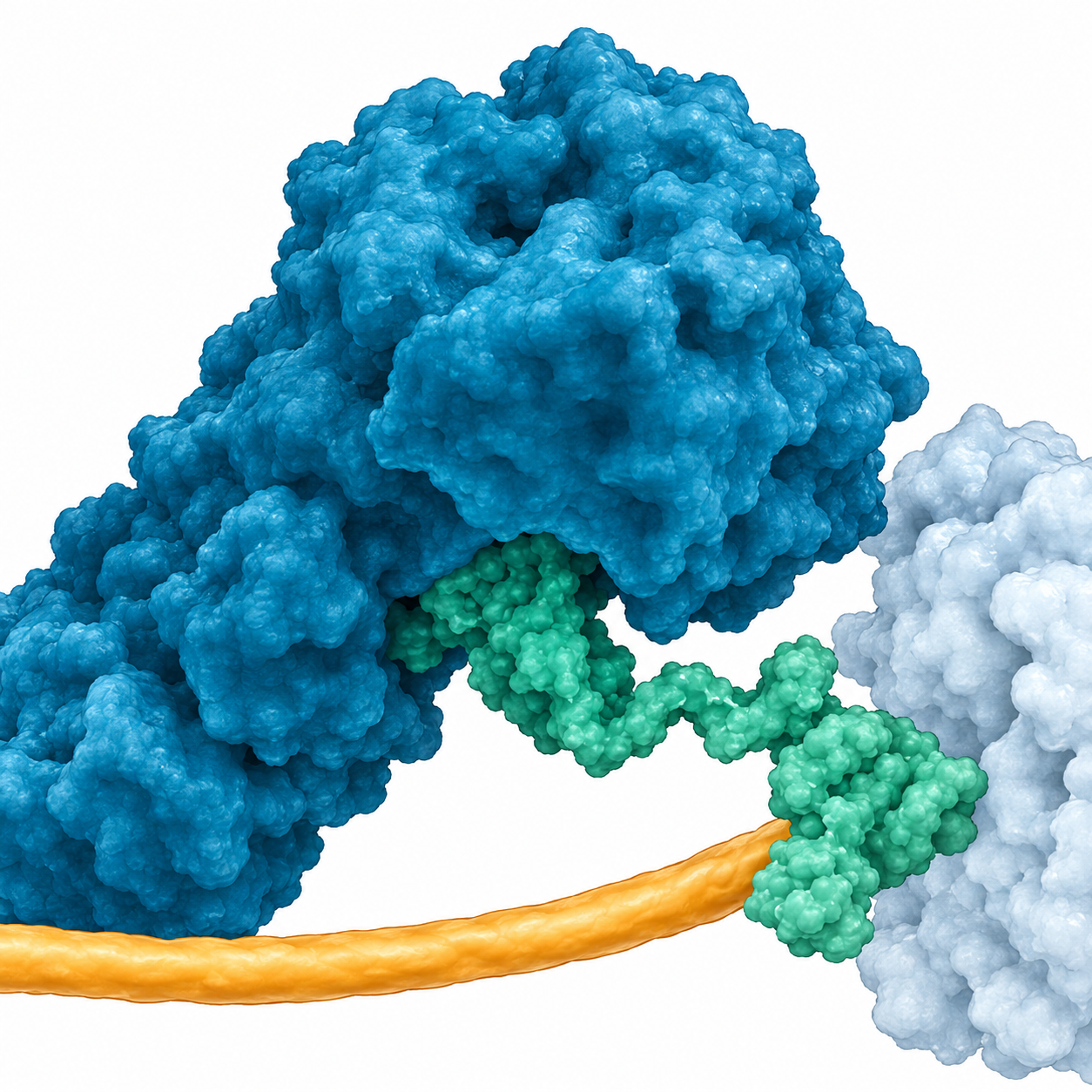
Our therapeutic candidates are designed to connect with the body’s natural clotting proteins in a very precise way. This helps protect them from breaking down and lets them build up to levels that can help stop bleeding. In some cases, the treatment keeps the protein active; in others, it turns it off, giving us the flexibility to treat different clotting problems. When needed, our technology can also help guide these proteins to the site of an injury to support healing.
Time to leapfrog therapeutics is now.
We are building a franchise designed to address select coagulation disorders where we believe advances in biology, drug modality, and care delivery have the potential to meaningfully improve disease management.
Decades of Treatment Neglect.
For decades, certain bleeding disorders have remained in the shadows as research and innovation focused elsewhere.
At Hemab, we develop therapies that reimagine the treatment of blood coagulation disorders like Glanzmann thrombasthenia, Factor VII deficiency, Von Willebrand Disease, and heavy menstrual bleeding—conditions where many patients experience significant life-long disease burden due to either a lack of available prophylactic therapies or limitations associated with existing treatment approaches.
Overlooked voices, unmet needs.
Every Hemab program starts with the experts who understand these conditions most intimately—the people living with them every day.
These conversations reveal what clinical literature often misses: the anxiety of unpredictable bleeding, the careful planning required for everyday activities, and the nuanced impact these conditions have on daily life that may not be fully captured in standard clinical assessments.
Harnessing new possibilities in therapeutics.
Our therapeutic approach works in harmony with the body's natural clotting processes. We remain technology-agnostic, selecting the optimal scientific approach for each specific condition.
We believe this allows us to develop treatments that can:
• Shield essential clotting proteins from premature breakdown
• Enable these proteins to accumulate to levels that prevent bleeding
• Precisely control activation or deactivation within the clotting cascade
• Direct these proteins to injury sites where they're needed most
We believe this precision will allow us to address different bleeding conditions with targeted solutions rather than generic approaches.
Pipeline
We are building a franchise designed to address select coagulation disorders where we believe advances in biology, drug modality, and care delivery have the potential to meaningfully improve disease management.
Product
Candidate
Indications
Sutacimig is a bispecific antibody designed to mimic the function of factor VIIa while targeting activated platelets at the site of bleeding. This novel approach aims to provide prophylactic protection for patients with Glanzmann Thrombasthenia—a condition discovered over a century ago that still lacks dedicated preventative treatments.
The Phase 2 clinical trial of Sutacimig is now fully enrolled, with patients receiving prophylactic treatment designed to prevent bleeding events. Initial data indicates promise for a preventative approach to GT management.
HMB-002 is a monovalent antibody designed to accumulate endogenous von Willebrand Factor as a prophylactic treatment option to prevent and reduce frequency of bleeding events in people with von Willebrand Disease (VWD).
Our VWD 360 and VELORA Discover programs are mapping the real-world experience of living with VWD, documenting bleeding patterns, treatment limitations, and quality of life impacts that often go unrecognized in clinical literature.
The VELORA Pioneer Phase 1/2 clinical trial is now enrolling patients with VWD. This clinical trial will evaluate the safety, tolerability, and early efficacy signals of HMB-002 as a preventative therapy.
The VELORA Discover and Pioneer programs are actively enrolling.
HMB-003 is a subcutaneously administered peptide-based plasmin inhibitor designed to directly block fibrinolysis independent of the plasminogen activation pathway, offering a potential non-hormonal alternative for the prophylactic management of heavy menstrual bleeding.
HMB-003 is currently in preclinical development for HMB.


Future Pipeline Development
Our technology platform and patient-focused approach positions us to expand into additional overlooked bleeding and thrombotic disorders. We're committed to developing five development projects by 2025 to transform treatment where innovation has been limited.
Looking Beyond the Horizon: We're actively researching additional conditions where our approach could address significant unmet needs.
If you have questions about our ongoing clinical trials, please get in touch with our Medical team
HMB-003 for Heavy Menstrual Bleeding (NCT07798505)
HMB-003 is being evaluated in a Phase 1 clinical trial for heavy menstrual bleeding. HMB-003 is a peptide-based plasmin inhibitor with an extended half-life. Its durable pharmacokinetic profile supports once-per-cycle subcutaneous dosing, offering a convenient alternative to frequent-dosing antifibrinolytic regimens.

VELORA Pioneer — HMB-002 for VWD
Velora Pioneer is a Phase 1/2 clinical trial of HMB-002 for Von Willebrand Disease (VWD). HMB-002 is being developed as a prophylactic treatment to support restoration of hemostasis in people with VWD using a convenient subcutaneous treatment administration.

VELORA Discover — Screening Study for VWD
Velora Discover is a prospective natural history study of patients with Von Willebrand Disease (VWD) to establish baseline disease characteristics, bleeding patterns, and quality of life measures. The purpose of the study is to provide contemporary control data and contextualize treatment effects observed in the interventional components of the Velora Pioneer clinical trial.

Sutacimig for FVIID
This Phase 2 clinical trial evaluates pharmacokinetics, pharmacodynamics, and preliminary safety and tolerability of single ascending doses of sutacimig in patients with Factor VII deficiency. This trial aims to establish proof-of-concept by demonstrating sutacimig’s ability to increase Factor VII levels in patients with Factor VII deficiency.

Sutacimig for GT
SOLARA is a Phase 3 clinical trial to investigate the efficacy and safety of sutacimig in people living with Glanzmann thrombasthenia. The study is now enrolling. Visit the SOLARA study website to learn more.
